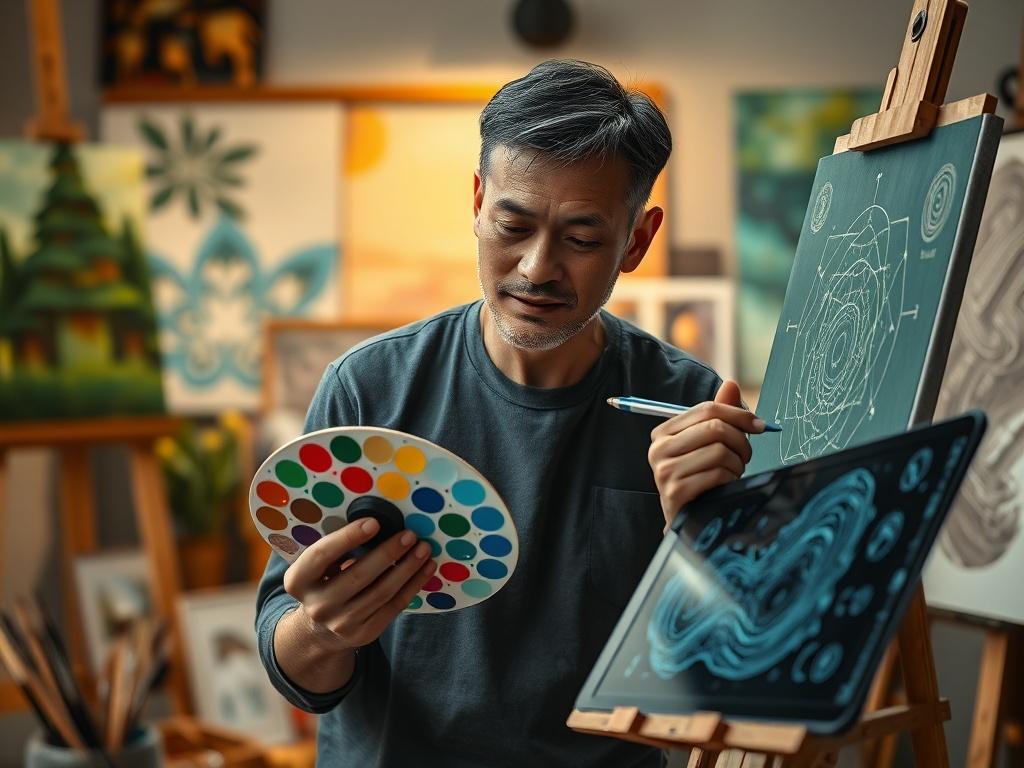
As technology continues to advance, artists are increasingly drawn to explore the fascinating intersection of AI and fine art. This captivating blend of creativity and innovation invites us to rethink the boundaries of artistic expression. By harnessing algorithms, machine learning, and generative design, artists are pushing beyond traditional techniques and discovering new avenues for creativity. In this blog post, we will delve into how AI is transforming the art world, inspiring both seasoned professionals and emerging talents to experiment and collaborate with this powerful tool.
We will explore the dynamic ways in which AI is reshaping traditional artistry, uncovering innovative techniques that challenge our perception of what art can be. Additionally, we will examine the implications of AI's presence in fine art, considering its role in the creative process and the potential consequences for artists and audiences alike. Join us as we embark on a journey through this exhilarating new frontier and discover what the future holds for the synergy of artificial intelligence and the world of fine art.
Delve into the fascinating intersection of AI and fine art: A new creative frontier
The intersection of AI and fine art cultivates a thrilling landscape where creativity and technology coalesce. Artists worldwide are increasingly employing artificial intelligence as a tool for inspiration and innovation, pushing the boundaries of traditional art forms. This convergence challenges long-standing notions about authorship and originality, raising intriguing questions about the role of the artist in the creative process. As we delve into the fascinating interplay between AI and fine art, we witness the emergence of new genres, techniques, and even mediums that redefine what art can be, inviting a broader audience to explore and engage.
AI technologies are not just enhancing the artist's toolkit; they're also becoming collaborators in the artistic journey. Programs powered by algorithms can analyze vast datasets of art styles, history, and techniques, allowing them to generate original compositions that resonate with viewers. Artists like Refik Anadol utilize AI to create immersive installations that blend physical and digital realms, showcasing how technology can augment human creativity. By delving deeper into this realm, we open the door to new artistic expressions and experiences that transcend conventional boundaries, making the exploration of AI in fine art an exhilarating endeavor for both creators and audiences alike.
How AI is reshaping traditional artistry: Exploring innovative techniques
Artificial intelligence is not just a tool; it is redefining creativity in the realm of fine art. Artists are increasingly embracing AI algorithms to create unique pieces that blend human intuition with machine capabilities. For instance, generative adversarial networks (GANs) can analyze vast datasets of artwork to produce striking new images that challenge our definitions of originality and authorship. This fusion of technology and creativity fosters an environment where artists can push boundaries, experiment with styles, and explore new aesthetic territories that were previously unimaginable.
Incorporating AI into the artistic process allows for unprecedented collaboration between human creators and machines. Artists can utilize AI to enhance their traditional techniques, such as mixing classic painting methods with digital tools for an inventive hybrid approach. These innovative techniques invite fresh interpretations of familiar themes, transforming the way audiences engage with art. As a result, the art world is witnessing a revolution where the lines between human creativity and artificial intelligence blur, leading to a richer, more diverse artistic landscape.
The future of expression: What AI means for fine art and artists
As we stand on the brink of a new artistic era, AI is poised to redefine how artists create and interact with their work. The integration of artificial intelligence into fine art opens up a realm of possibilities, enabling artists to experiment with unconventional methods and concepts. Through generative algorithms, artists can produce unique pieces that challenge traditional notions of creativity. This technology empowers artists to push the boundaries of their imagination, allowing them to collaborate with AI on projects that blend human intuition and machine learning. Modern artists can now explore textures, colors, and forms they might not have envisioned alone, resulting in an exciting fusion of technology and artistic expression.
Moreover, the rise of AI in fine art may lead to a re-evaluation of what it means to be an artist in the 21st century. With AI-generated works gaining recognition in galleries and museums, discussions around authorship and originality become increasingly relevant. Artists can embrace AI as a tool that complements their skills rather than a competitor that threatens their relevance. By incorporating AI into their practice, artists not only enhance their creative process but also foster a dialogue about the evolving nature of artistry in a technology-driven world. Ultimately, as we delve deeper into the fascinating intersection of AI and fine art, we may discover new pathways for expression that inspire generations to come.

©2026 AIART Publishing™ · Digitograph™ · All Rights Reserved